Dr. Chris H. Fleming, D.M.D.

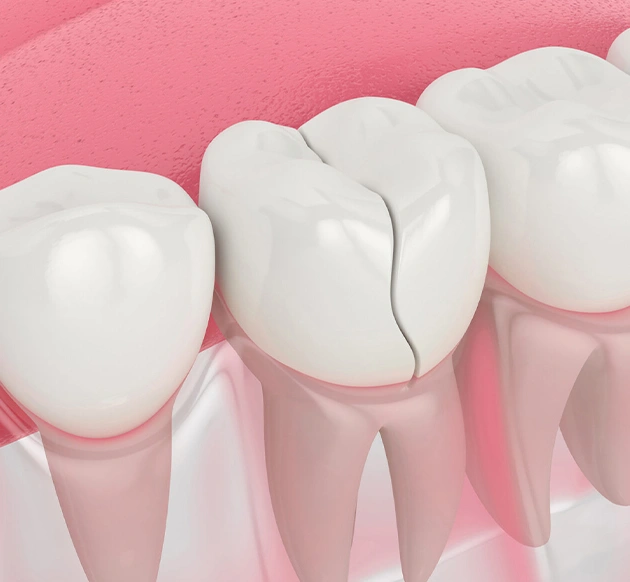
Cracked Teeth and Their Treatment
Cracked teeth are becoming increasingly common as people retain their natural teeth for longer periods. This results in teeth being subjected to years of chewing hard foods, clenching, and grinding. Since cracks are often not visible on x-rays, detecting them can be challenging. Depending on the severity, you may experience brief sharp pain when biting, sensitivity to hot or cold, or discomfort when releasing pressure after chewing.
Prompt diagnosis is crucial. The earlier a crack is identified and addressed, the better the chances of preserving the tooth. At Fleming Endodontics in Gainesville, GA, our expertise, advanced training, and use of state-of-the-art equipment play a vital role in diagnosing and treating cracked teeth effectively.
Types of Cracks
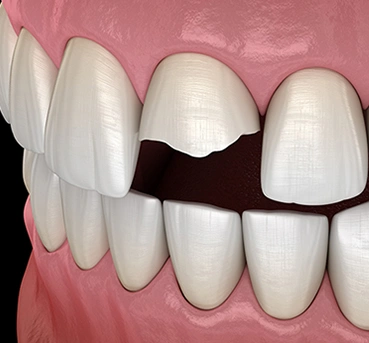
Fractured Cusp
A fracture can occur when the sharp edges of the chewing surface become compromised. In many cases, a full crown from your dentist can effectively address this issue. However, if the fracture has also affected the pulp, root canal treatment will be necessary.
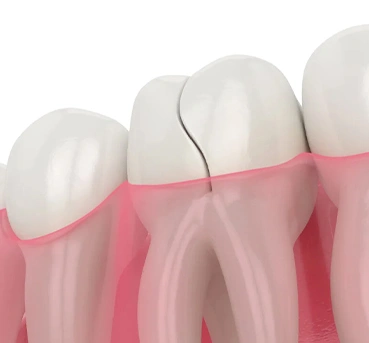
Cracked Tooth
This type of fracture starts on the chewing surface and extends vertically toward the root of the tooth. There is a high likelihood of pulp damage, which typically necessitates root canal therapy. Even with treatment, such as root canal therapy followed by crown placement, some cracks may continue to worsen, potentially leading to tooth loss. Therefore, prompt detection is crucial.
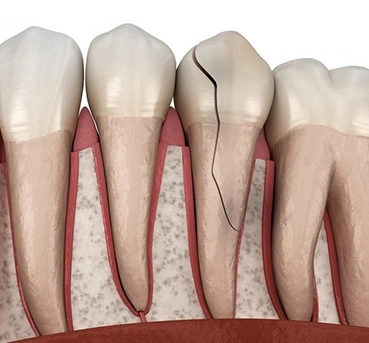
Vertical Root Fracture
This type of fracture originates at the root of the tooth and extends toward the chewing surface. It often presents few symptoms and may remain undetected for an extended period. Vertical root fractures are typically identified when the surrounding bone or gum tissue becomes infected. If there is a chance to save the tooth, the treatment would likely involve endodontic microsurgery.
