Dr. Chris H. Fleming, D.M.D.

Managing Traumatic Dental Injuries
Injuries to the mouth can lead to teeth being displaced into their sockets. Your endodontist or general dentist may realign and secure the affected tooth. Typically, root canal therapy begins within a few weeks following the injury, during which a medication like calcium hydroxide is placed inside the tooth. Ultimately, a lasting root canal filling will be applied to ensure proper restoration.
Managing Partially Dislodged Teeth
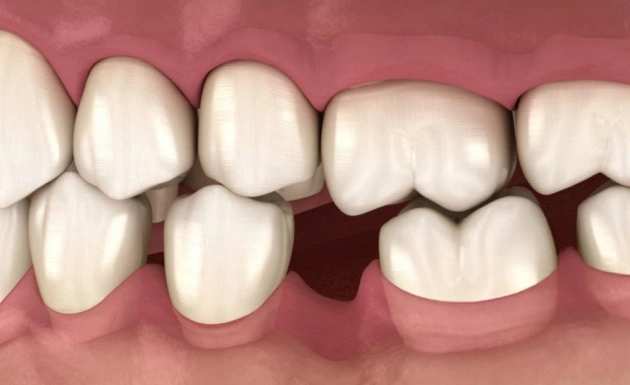
In some cases, a tooth may be partially dislodged from its socket. Your endodontist or general dentist will likely reposition and stabilize the tooth to ensure it stays in place. If the pulp remains intact and healthy, no further treatment will be needed. However, if the pulp becomes damaged or infected, a root canal will be necessary. If not addressed, various complications can arise, including infection of the tooth, root system, or surrounding tissues, difficulties in maintaining proper oral hygiene due to the dislodged tooth and gums, and ultimately, the loss of the tooth.
Types Of Injuries
Avulsed Teeth
If a tooth gets completely knocked out due to an injury, it’s crucial to seek immediate treatment! In this situation, it’s important to keep the tooth moist. If possible, try to reinsert it into the socket. A tooth can often be saved as long as it stays moist. Alternatively, you can place the tooth in milk or a glass of water with a pinch of salt. Your endodontist may initiate root canal treatment depending on how developed the root is. The duration the tooth has been out of your mouth and how it has been stored will impact the treatment options available to you.
Injuries in Children
Traumatic dental injuries are common in children, often resulting from falls, sports activities, or accidents. These injuries can involve teeth being pushed back into their sockets, partially dislodged, or completely knocked out.
If a child's tooth is pushed back into its socket, it’s essential for a dentist or endodontist to reposition and stabilize it. Root canal treatment may be necessary, usually performed a few weeks after the injury, during which a medication like calcium hydroxide is placed inside the tooth to promote healing.
Apexogenesis
This procedure promotes ongoing development of the root as the pulp heals. A medicated covering is applied to the soft tissue to stimulate growth. As the child matures, the tip of the root (apex) will gradually close, leading to thicker walls of the root canal. If the pulp successfully heals, no further treatment will be needed. The maturation of the root significantly increases the likelihood of saving the tooth.
Apexification
In this scenario, the damaged pulp is extracted, and the doctors introduce medication into the root to facilitate the formation of hard tissue at the root tip. This hardened tissue acts as a barrier for the root canal filling. At this stage, the root canal walls will cease to develop, which increases the risk of fractures for the tooth. Therefore, it’s essential to have the tooth adequately restored by your dentist.
